Find Compare Source magnetic base gsm antenna for Cars Trucks Boats
Explore 28 listings for magnetic base gsm antenna options including GSM, GPS, and 433MHz variants with SMA connectors. Buyers can compare specifications like gain, frequency bands, and cable types from Shenzhen manufacturers to find suitable communication solutions.
Key considerations
Products List


Comprehensive Sourcing Guide
Strategic Sourcing Guide for Magnetic Base GSM Antennas
Understanding the Technical Architecture of Magnetic GSM Antennas
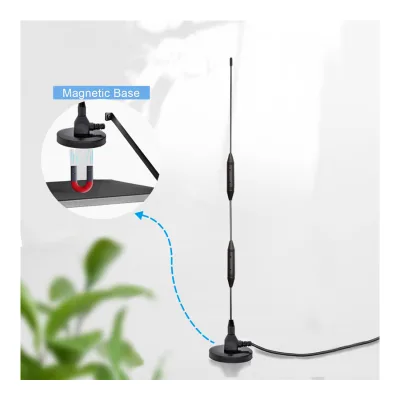
When sourcing a magnetic base GSM antenna, the primary objective is to identify a component that ensures reliable signal reception and transmission without permanent installation. The core product category typically encompasses external antennas designed for GSM, 3G, and sometimes GPS integration, often utilizing a magnetic mount for rapid deployment on vehicles or metal surfaces. The fundamental architecture relies on a high-permeability magnetic base that adheres to ferrous surfaces, allowing the antenna to be repositioned easily. In the observed market data, specific models such as the TQC-3G-5.0A and TQC-900/1800-5.0A illustrate the common configuration where the antenna element is coupled with a magnetic mount.
The frequency bands are a critical technical differentiator. Standard GSM operations often require coverage in the 890-960 MHz and 1710-1880 MHz ranges, while some advanced units support GPS at 1574.42 MHz. Buyers must verify that the selected unit covers the specific bands required for their region and network provider. The observed specifications indicate a dual-band capability for many units, supporting both GSM and 3G standards. The physical construction often involves an external antenna type with an omnidirectional radiation pattern, ensuring signal capture from all directions, which is vital for mobile applications. The V.S.W.R (Voltage Standing Wave Ratio) is a key performance metric; observed data suggests a target value of less than or equal to 1.5, indicating efficient power transfer and minimal signal reflection.
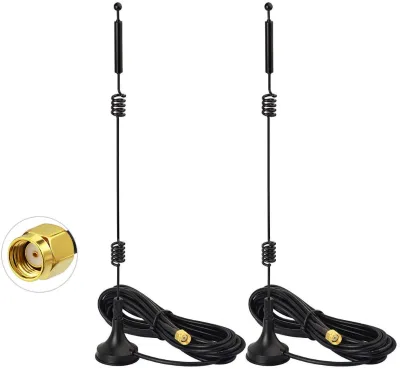
Cable selection is another technical pillar. The standard cable type observed in this category is RG174, often with a length of 2 meters, though custom lengths may be available. The connector interface is equally important, with SMA, RP-SMA, or other proprietary connectors being common. The material composition of the antenna element itself varies, with copper (Cu) and magnetic materials being prevalent choices to ensure conductivity and magnetic adhesion. The outer texture is frequently ABS plastic, providing durability against environmental factors. Understanding these technical specifications is the first step in narrowing down the supplier pool to those capable of manufacturing the specific configuration required for the application.
Compliance, Certification, and Regulatory Standards
Navigating the regulatory landscape is essential for any B2B procurement of electronic components, particularly those involving radio frequency transmission. The supply chain for magnetic GSM antennas is heavily influenced by international standards that ensure safety, environmental compliance, and electromagnetic compatibility. Based on the available product data, high-confidence facts indicate that reputable manufacturers in this sector typically adhere to CE and RoHS certifications. These certifications are not merely marketing labels but are often mandatory for selling products in the European Union and other regulated markets.
The RoHS (Restriction of Hazardous Substances) directive is particularly relevant, as it restricts the use of specific hazardous materials in electrical and electronic equipment. Products listed with RoHS compliance suggest that the manufacturing process has been audited to ensure the absence of lead, mercury, cadmium, and other restricted substances. Furthermore, the presence of ISO 9001 certification in the product attributes points to a supplier's commitment to quality management systems. This standard ensures that the manufacturer has consistent processes for design, production, and inspection, which reduces the risk of batch-to-batch variability.
Buyers must also consider the "prod_standard" attribute, which often lists a combination of RoHS and ISO9001. This combination suggests a robust quality framework. However, it is crucial to verify that the certification applies to the specific model being ordered, as some suppliers may hold certifications for their general factory operations but not for every individual SKU. The inspection process, often aligned with ISO standards, should be part of the supplier's quality control protocol. When evaluating a potential partner, procurement teams should request valid certification documents and verify their authenticity through the issuing bodies. Relying on unverified claims can lead to customs delays, product recalls, or legal liabilities in the destination market.
Cost Drivers and Pricing Structure Analysis
The pricing of magnetic GSM antennas is influenced by a complex interplay of factors, including material costs, customization levels, and order volume. The observed price range in the market spans from $0.50 to $70.00 USD, a wide variance that reflects differences in frequency bands, gain, cable length, and connector types. Lower-priced units typically represent standard, off-the-shelf models with basic specifications, such as the 433 MHz magnetic antenna or standard GSM external antennas with minimal customization. In contrast, higher-priced units often feature advanced capabilities, such as combined GPS and GSM functionality, higher gain ratings, or specialized connectors.
The Minimum Order Quantity (MOQ) is a significant cost driver, with observed ranges spanning from 1 to 500 units. Suppliers with lower MOQs, such as those allowing orders of 1 unit, are often more suitable for prototyping or small-scale testing but may carry a higher unit cost. Conversely, suppliers requiring an MOQ of 500 units typically offer more competitive pricing per unit, leveraging economies of scale. The "Business Type" attribute, identified as Manufacturer/Factory, suggests that direct sourcing from the production facility can eliminate middleman markups, potentially lowering the total cost of ownership.
Customization is another critical variable affecting price. The availability of customization options allows buyers to tailor the antenna to specific needs, such as unique cable lengths, specific connector types, or custom branding. However, these customizations often incur additional tooling or setup costs. Buyers should evaluate the total cost of acquisition, including shipping and potential duties, rather than focusing solely on the unit price. The "Deliver Time" of 3-5 days observed in some listings indicates that expedited shipping options may be available, which can impact the overall cost structure if time-sensitive deployment is required. Understanding these cost drivers enables buyers to negotiate effectively and select a supplier that aligns with their budget and volume requirements.
Typical Applications and Deployment Scenarios
Magnetic base GSM antennas are versatile components designed for a wide array of applications, primarily driven by the need for temporary or mobile connectivity. The "Application" attribute, frequently listed as "Magnet Antenna for WiFi" or "Communication Antenna," highlights their primary use in enhancing signal strength in environments where fixed installations are impractical. One of the most common use cases is in the automotive sector. The "Usage" attribute explicitly mentions "Car Antenna," and specific product names like "GPS +GSM Car Antenna" confirm their suitability for vehicles. In this context, the magnetic base allows for easy attachment to the vehicle's roof or trunk, facilitating GPS tracking, fleet management, and mobile data connectivity for logistics and transportation companies.
Beyond automotive applications, these antennas are utilized in industrial and emergency response scenarios. The "Nature of Operation" as a "Receiving Antenna" makes them ideal for temporary communication setups in remote locations or disaster zones where permanent infrastructure is unavailable. The "Frequency" specifications, covering bands like 824-894 MHz and 1710-1990 MHz, ensure compatibility with various mobile network standards, making them suitable for a global user base. The "Product Type" description of "3G WiFi Magnetic Mount Antenna" further underscores their role in providing high-speed data connectivity for mobile devices and IoT sensors.
The "Texture" of ABS and the "Material" of magnetic components also contribute to their durability in harsh environments. Whether used for temporary network expansion in construction sites or as a backup communication link in field operations, the magnetic base offers a non-invasive mounting solution. Buyers should consider the specific environmental conditions of their application, such as exposure to rain, dust, or extreme temperatures, when selecting an antenna. The "Operating Wavelength" of microwave frequencies indicates that these antennas are designed for high-frequency data transmission, which is essential for modern communication needs.
Supplier Evaluation and Business Model Assessment
Selecting the right supplier is as critical as selecting the right product. The "Business Type" attribute, consistently identified as "Manufacturer/Factory," is a strong indicator of the supplier's role in the supply chain. Sourcing directly from a manufacturer can offer advantages such as better pricing, more direct communication regarding technical specifications, and greater control over the production timeline. However, buyers must verify that the supplier has the capacity to meet their specific volume and quality requirements. The "Manufacturers" attribute, often phrased as "Factory Price High Quality," suggests a focus on direct sales, but buyers should look for concrete evidence of this claim, such as factory audit reports or customer testimonials.
The "Location" attribute, specifically "Shenzhen China," places the supplier in a major global hub for electronics manufacturing. This location offers access to a robust supply chain and a high concentration of skilled labor, which can facilitate rapid production and innovation. However, buyers should also consider the logistical implications of sourcing from this region, including shipping times and potential import regulations. The "Transport" options listed, such as DHL, UPS, and FedEx, indicate that the supplier has established relationships with major logistics providers, ensuring reliable delivery.
When evaluating a supplier, buyers should assess their "Inspection" capabilities. The mention of "ISO Standards" in the inspection process suggests a commitment to quality control. It is advisable to request a detailed quality assurance plan that outlines how the supplier tests products before shipment. The "Customization" availability is another key factor; a supplier that offers flexible customization options is better equipped to meet unique buyer requirements. Buyers should also inquire about the "Deliver Time" and "Lead Time" to ensure the supplier can meet their project deadlines. A supplier with a proven track record of on-time delivery and high-quality output is essential for long-term procurement success.
Quality Control and Long-Term Procurement Considerations
Ensuring consistent quality in magnetic GSM antennas requires a rigorous approach to quality control and long-term supplier relationship management. The "V.S.W.R" specification of <=1.5 is a critical performance metric that must be verified through testing. Buyers should request test reports or certificates of conformity that confirm the antenna meets this standard. The "Certification" attributes, including CE, RoHS, and ISO, serve as baseline indicators of quality, but ongoing verification is necessary to ensure that every batch of products maintains these standards.
The "Packing Size" and "prod_packing" details, such as "Plastic in Carton" or "Plastic Bags in Cartons," highlight the importance of proper packaging to prevent damage during transit. Buyers should evaluate the supplier's packaging protocols to ensure that the antennas arrive in pristine condition. The "Material" composition, specifically the use of copper and magnetic materials, should be consistent across all units to guarantee performance reliability. Any deviation in material quality can lead to signal degradation or premature failure.
For long-term procurement, buyers should establish clear communication channels with the supplier to address any issues promptly. The "Customization" availability suggests that the supplier is open to collaboration, which can be beneficial for future product iterations. Buyers should also consider the "Business Type" and "Location" when planning for supply chain resilience. Diversifying the supplier base or maintaining a relationship with multiple manufacturers can mitigate risks associated with production delays or geopolitical issues. Finally, regular audits and performance reviews of the supplier's quality control processes will help maintain high standards and ensure a steady supply of reliable magnetic GSM antennas.
FAQs
What certifications do magnetic base GSM antennas typically have?
Most units carry CE and RoHS certifications to ensure safety and environmental compliance. Some manufacturers also provide ISO 9001 certification for quality management systems. Buyers should verify these documents match the specific model before ordering.
Which frequency bands are supported by these antennas?
Standard models support GSM bands ranging from 890-960 MHz and 1710-1880 MHz. Some advanced units also include GPS frequencies around 1574.42 MHz. Select a unit that covers the specific bands required for your region and network provider.
Can I customize the cable length and connector type?
Customization is available for cable length and connector interfaces like SMA or RP-SMA. The standard cable type is often RG174 with a length of 2 meters. Buyers can request specific configurations to match their equipment requirements.
How does the magnetic base function for mounting?
The magnetic base allows for rapid deployment on vehicles or metal surfaces without permanent installation. It uses high-permeability materials to adhere securely to ferrous surfaces. This design enables easy repositioning for mobile applications like fleet management.
What is the typical Minimum Order Quantity for these antennas?
The Minimum Order Quantity ranges from 1 to 500 units depending on the supplier. Lower MOQs suit prototyping while higher volumes often reduce unit costs. Direct sourcing from manufacturers may offer more competitive pricing structures for larger orders.
Where are these antennas typically manufactured?
Products are commonly manufactured in Shenzhen, China, a major hub for electronics production. This location provides access to a robust supply chain and skilled labor. Buyers should consider shipping times and import regulations when sourcing from this region.
What is the expected delivery time for orders?
Some listings indicate a delivery time of 3-5 days for standard orders. Expedited shipping options may be available through carriers like DHL or FedEx. Buyers should confirm lead times with the supplier to ensure they meet project deadlines.